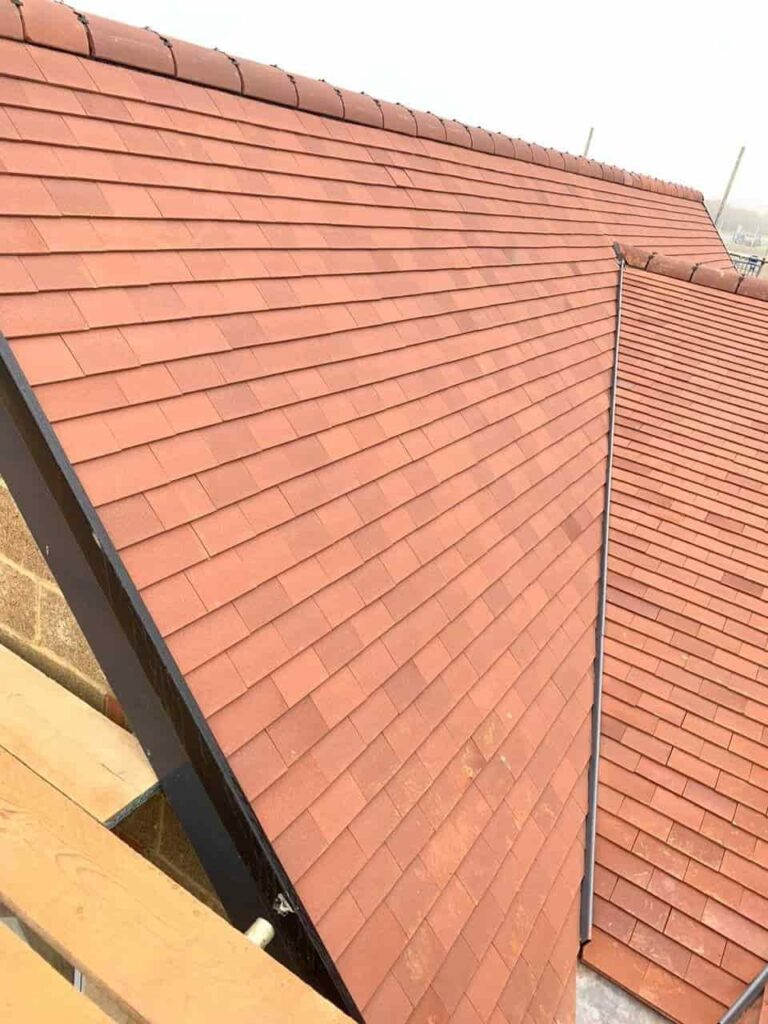
A visible roof defect may appear to require only a small, localised repair. However, the place where damage can be seen is not always the point where the problem began. Water may travel beneath tiles, along underlay or across roof timbers before becoming noticeable elsewhere.
For homeowners in Sheppey, Kent, a wider roof inspection can help identify the underlying cause, reveal connected defects and ensure that repair work provides a dependable result. It is not about recommending unnecessary work; it is about understanding the condition of the roofing system before deciding what genuinely needs attention.
Why Looking Beyond the Obvious Damage Matters
A roof is made up of interconnected components, including tiles or slates, underlay, battens, fixings, flashing and drainage details. A weakness in one component can affect several others.
Replacing a damaged tile may be appropriate when the fault is genuinely isolated. If the tile moved because of deteriorated fixings, weakened battens or movement in the surrounding roof covering, simply replacing it may not prevent the problem from returning.
A wider inspection gives the roofer the information required to distinguish a straightforward repair from a symptom of broader deterioration.
Water Can Travel Away From Its Entry Point
One of the main reasons for inspecting a larger area is that water rarely follows a simple vertical route. Rain entering through a cracked tile or defective flashing can run down the underlay, follow a rafter or collect around another roof junction.
The damp patch visible inside the property may therefore be some distance from the external defect. Repairing the area directly above an internal stain could leave the true entry point untouched.
A methodical inspection traces likely water paths and checks the roof details positioned higher up the slope.
Nearby Tiles May Have Similar Defects
When one tile cracks, slips or lifts, neighbouring tiles may also have been affected by the same conditions. Strong winds, deteriorated fixings, age-related wear and movement within the roof covering can influence an entire section.
Some damage is difficult to identify from ground level. Hairline cracks, small changes in alignment and weakened nibs may only become apparent during a close inspection.
Checking the surrounding tiles allows vulnerable materials to be identified before further movement creates additional gaps.
The Underlay and Battens May Be Affected
Tiles form the primary barrier against the weather, but the materials beneath them also play an important role. If water has been entering for some time, the underlay may be torn or deteriorated, while timber battens can become damp or weakened.
Fitting a new tile without assessing these components may conceal damage rather than resolve it. Where accessible, a roofer should check whether the supporting materials remain in suitable condition and can hold the replacement securely.
Flashing and Roof Junctions Require Careful Assessment
Leaks frequently develop around chimneys, valleys, roof windows, abutments and other junctions. These areas manage changes in direction and concentrated water flow, making correct detailing particularly important.
Damage that appears to involve a nearby tile may instead be connected to cracked, lifted or poorly fitted flashing. Mortar deterioration or debris within a valley can also redirect water beneath the roof covering.
Inspecting the complete junction helps ensure that the repair addresses the actual weakness.
Drainage Problems Can Contribute to Roof Damage
Blocked or poorly functioning roof drainage can allow water to overflow or collect where it should not. Persistent moisture around the eaves may affect tiles, underlay, fascia boards and the ends of roof timbers.
If damage is concentrated along the lower edge of the roof, the inspection should consider how water is leaving the surface. Correcting the visible defect without addressing the drainage issue could allow deterioration to continue.
Previous Repairs May Have Altered the Roof’s Performance
Earlier repair work can sometimes explain why a new problem has developed nearby. Replacement materials may not align correctly with the original covering, or a repaired section may place additional pressure on adjacent tiles.
A wider inspection can assess how previous work integrates with the surrounding roof. It can also establish whether repeated faults share an underlying cause rather than being unrelated incidents.
Internal Checks Can Reveal Hidden Moisture
An external inspection provides only part of the picture. Where the roof space is accessible, checking inside can reveal water staining, damp insulation, discoloured underlay or moisture around timber.
These signs help determine how long the defect may have been present and how far water has travelled. They can also show whether more than one entry point is involved.
Combining internal and external observations usually leads to a more accurate diagnosis.
When Is a Localised Repair Still Appropriate?
A wider inspection does not automatically lead to extensive work. If the surrounding tiles, fixings, underlay and roof junctions remain sound, a focused repair may be entirely suitable.
The value of the inspection lies in confirming that the fault is isolated. This allows the repair to remain proportionate while reducing the likelihood of overlooking related damage.
What Should a Professional Inspection Establish?
Before repairs begin, the assessment should clarify:
- Where the damage originated
- Whether water has entered beneath the covering
- How far the affected area extends
- Whether nearby materials remain secure
- Whether flashing or drainage contributed to the problem
- Whether the proposed repair is likely to remain effective
This creates a clear basis for completing the right work in the correct area.
Conclusion
Roof repairs sometimes require a wider inspection because visible damage may represent only one part of the problem. Water movement, weakened surrounding materials, defective junctions and hidden deterioration can all influence the repair required.
Sheppey Roofing provides professional roof inspections and repairs in Sheppey, Kent. If you have noticed a leak, damaged tiles or a recurring roofing problem, contact our team to arrange an assessment and receive clear guidance on the appropriate repair.
Call us on: 01795 507296
Click here to find out more about Sheppey Roofing
Click here to complete our contact form and see how we can help with your roofing needs.