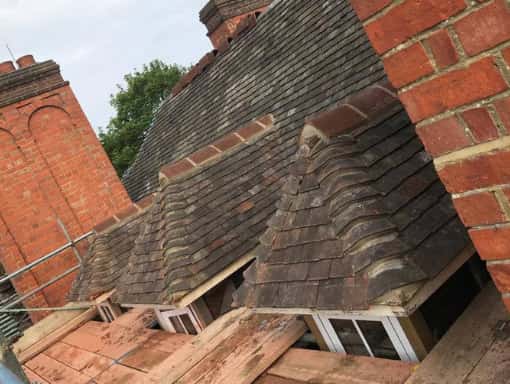
A roof tile that has moved out of alignment may appear to be a minor defect, particularly if it remains on the roof and shows no visible cracks. However, tiles are arranged to overlap in a precise pattern. When one shifts from its intended position, it can expose the layers beneath and interrupt the route that rainwater should follow down the roof.
Understanding why the tile moved is essential. Simply pushing it back into place without identifying the cause may leave the roof vulnerable to the same problem happening again.
Common Reasons Roof Tiles Move Out of Alignment
Several factors can cause a previously secure tile to slip, lift or rotate. A professional inspection can establish whether the problem is limited to one tile or indicates deterioration elsewhere on the roof.
Strong Winds Can Lift or Displace Tiles
Wind does not always need to break a tile to cause damage. Pressure can enter beneath a slightly raised edge and disturb the tile’s fixing. Repeated exposure may gradually loosen it until it moves out of alignment.
Tiles near roof edges, ridges, valleys and other exposed sections can be particularly vulnerable. The displaced tile may also place pressure on neighbouring tiles or leave them more exposed to future movement.
Fixings Can Deteriorate Over Time
Roof tiles may be held in position by nails, clips or other fixings. These components can weaken through corrosion, age or repeated movement caused by changing weather conditions.
Once a fixing fails, the tile may begin to slide even though the tile itself remains intact. Repositioning it without renewing the defective fixing is unlikely to provide a dependable repair.
Roofing Battens May Have Weakened
Tiles are supported by horizontal battens beneath the roof covering. If a batten has split, decayed or become damaged, it may no longer hold the tile securely.
A moved tile can therefore be the visible sign of a concealed issue. The surrounding tiles may need to be carefully lifted so the supporting batten and nearby fixings can be examined.
The Tile May Not Have Been Fitted Correctly
A tile can move if it was not seated properly during installation or a previous repair. Incorrect alignment, inadequate fixing or poor engagement with the batten may allow gradual movement.
This is one reason the repair should restore the tile as part of the complete roof covering rather than treating it as an isolated object. Its position, overlap and connection with adjacent tiles must all be correct.
Frost and Temperature Changes Can Cause Movement
Roof materials expand and contract as temperatures change. Moisture entering small gaps can also freeze and expand, placing additional pressure on tiles and fixings.
These repeated changes may cause a marginally loose tile to shift over time. The movement can appear sudden even though the underlying weakness has been developing gradually.
Foot Traffic Can Disturb the Roof Covering
Previous maintenance, aerial work, chimney work or access to another part of the roof can sometimes leave tiles slightly displaced. A tile may not fall immediately but can move further during later periods of wind or rainfall.
Walking on roofing materials can also damage hidden fixings or battens. An inspection should therefore consider whether the visible movement is connected to activity elsewhere on the roof.
Animals and Debris Can Contribute to Displacement
Birds and other animals may disturb roofing materials when attempting to access gaps. Branches or windblown debris can also strike tiles without necessarily cracking them.
Even limited movement can create an opening beneath the overlapping courses. Once exposed, wind and rain may make the defect progressively worse.
Why One Moved Tile Should Be Investigated
A displaced tile can allow water to reach the underlay, battens and roof space. Although underlay may provide temporary protection, it is not intended to act as the roof’s main waterproof surface.
The surrounding area should be checked for:
- Loose or damaged neighbouring tiles
- Failed nails, clips or fixings
- Split or weakened battens
- Torn or deteriorated underlay
- Gaps in the tile overlaps
- Signs of water entering the roof space
- Movement around ridges, valleys or junctions
This assessment helps ensure that the repair addresses the reason for the movement rather than only improving the roof’s appearance.
Warning Signs That Require Prompt Attention
Property owners should arrange an inspection if the tile has created a visible gap, continues to move or is accompanied by damp marks inside the building. Pieces of mortar or roofing material found below the roof can also indicate deterioration.
Other warning signs include an uneven roofline, several slipping tiles, daylight visible from the roof space or water marks on timbers and underlay. Early attention may prevent moisture from affecting a larger section of the roof.
How a Professional Repair Restores the Roof
The appropriate repair depends on what caused the tile to move. The work may involve repositioning or replacing the tile, renewing its fixing, repairing the batten or correcting the surrounding alignment.
A careful repair should also preserve the correct overlap between tiles so water continues to drain safely towards the guttering. This is particularly important because a roof can appear tidy from ground level while still containing gaps beneath the surface.
Conclusion
A roof tile may suddenly move out of alignment because of wind exposure, failed fixings, weakened battens, temperature changes or earlier disturbance. Although the tile itself may not be broken, its movement can compromise the weather-resistant arrangement of the roof.
Sheppey Roofing provides professional roof inspections and repairs in Sheppey, Kent. If you have noticed a slipped, raised or uneven tile, contact the team to identify the cause and arrange an appropriate repair before the affected area deteriorates further.
Call us on: 01795 507296
Click here to find out more about Sheppey Roofing
Click here to complete our contact form and see how we can help with your roofing needs.